







Online newspaper based in Matera
EcocNews is registered at the Court of Matera in the press register n. 2/2021
Editor in chief: Mariateresa Cascino. Founder and editorial director: Serafino Paternoster
via San Francesco, 1 - 75100 Matera (Italy)



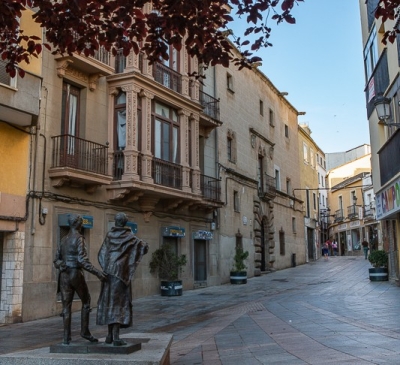
The bid for Cáceres to become European Capital of Culture 2031 has announced the results of the first citizen evaluation on culture and capital status, an initiative that has gathered the opinions of 502 people and will serve to guide the development of the project during the second phase.
With the advent of artificial intelligence, we are on the cusp of – or rather, in the midst of – a new industrial revolution which, compared to its predecessors, is unfolding at a far greater pace, reshaping the rules and our perspective on the world around us. Artificial intelligence is influencing every aspect of our lives, from the smallest to the largest, with consequences that are currently difficult to imagine.
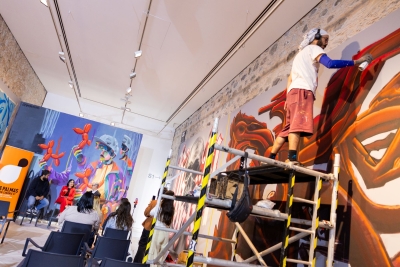
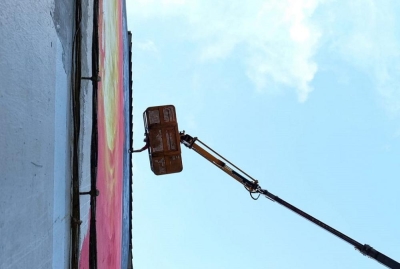
The Castillo de Mata Museum has embarked on a new chapter as a space for artistic creation, dialogue, and experimentation with REBEL WALLS. Urban Stories. This is a multidisciplinary artistic initiative, driven by Las Palmas de Gran candidacy to become the European Capital of Culture 2031 (LPGC’31), which opens the doors of one of the city’s historic spaces to urban art and places it at the center of the cultural program.
Cáceres 2031 presented this Wednesday the new Office of Cultural Activation and Citizen Participation (OAC), a space created to support, connect and promote the cultural fabric of the city and Extremadura within the project of candidacy for European Capital of Culture.
Last Saturday, the Castillo de Mata Museum was transformed into a space for open creation and contemporary dialogue with the opening of REBEL WALLS. Urban Stories, an exhibition project promoted by Las Palmas de Gran Canaria’s bid to become European Capital of Culture 2031, LPGC’31, which supports urban art as a legitimate and transformative cultural expression, capable of fostering a collective identity.
The open call “Magazia’32 – Treasury for Ideas,” announced by the Burgas-2032 Foundation, gathered nearly 250 conceptual projects. Amid tremendous interest and proposals received from over 20 countries across four continents, the process has concluded for gathering creative and artistic ideas, and educational, partnership and community projects, for inclusion in the cultural program with which Burgas, supported by the region, will apply for the title of European Capital of Culture in 2032.
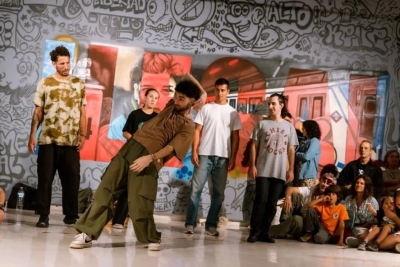
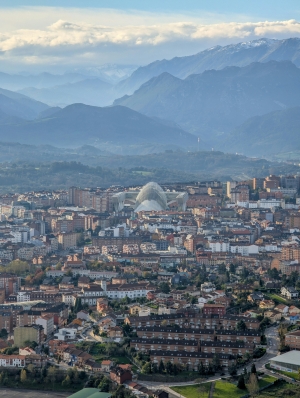
Oviedo 2031 launches “Puxa el Barrio”, contemporary creation into community centres.
As part of its bid to become a European Capital of Culture, the city of Oviedo marked Europe Day with a programme that transformed public space into a place for reflection, participation and shared cultural experience.
Oviedo launches “Puxa el Barrio”, a programme bringing contemporary creation into community centres.
The exhibition titled “Terram intelligere: Interstitium,” with which Montenegro presented itself at the 19th Venice Architecture Biennale in 2025, was opened at King Nikola’s Palace in Nikšić.
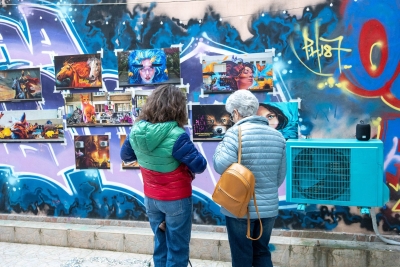
Works by the famous anonymous artist Ememem have appeared in Nikšić; an artist whose identity remains unknown, but whose work has been celebrated in some of the world’s most significant urban settings.
In October 2025, the results of the ECoC 2030 competition for cities from non-EU countries were announced — it emerged that Lviv had not been awarded the title.
The Oviedo CUP joins the bid for Oviedo to become European Capital of Culture 2031 with an initiative that goes beyond sport and reinforces one of the project’s core values: “amabilidá” (kindness) as a collective principle.
At the opening ceremony of Matera, Mediterranean Capital of Culture and Dialogue 2026, EcocNews interviewed Ms Dubravka ŠUICA, the European Union’s Commissioner for the Mediterranean. Below is the full text of her speech during the Opening.
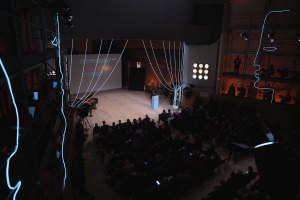
In recent days, cultural leaders from 18 countries took part in the Cáceres Innovation Summit, an event organised as part of Cáceres’ bid to become European Capital of Culture.
Expressing oneself through the rhythm of percussion. Anyone can do it. After all, music, at the origins of the world, was born exactly this way—starting from sounds, at first random, then gradually more organized.
The Oviedo neighbourhood of Pumarín is hosting this season Creativas: Pumarín, Territorio Artístico, a project grounded in cultural participation and collective creation, aimed at young people aged 16 to 30.
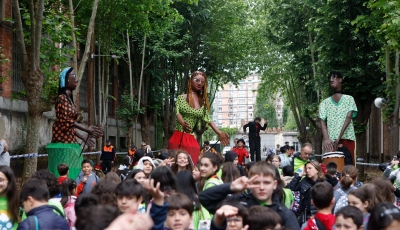
Asturias and Oviedo will host the eighteenth edition of the International Iberian Mask Festival (FIMI) this year, marking the first time since its creation in 2006 that the festival leaves Portugal to be held in another territory.
Online newspaper based in Matera
EcocNews is registered at the Court of Matera in the press register n. 2/2021
Editor in chief: Mariateresa Cascino. Founder and editorial director: Serafino Paternoster
via San Francesco, 1 - 75100 Matera (Italy)