This year’s competitions saw an increase in participants from a wide range of countries. In total, 58 destinations from 22 countries competed for the European Capital and Green Pioneer of Smart Tourism titles. The 15 shortlisted destinations were invited to present their cases to the European Jury in Brussels, who selected the winners of both competitions.
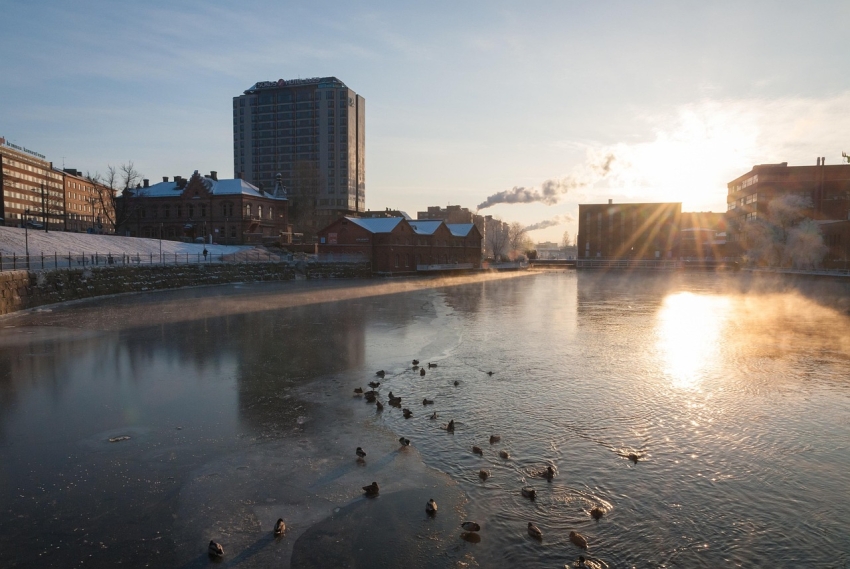
Tampere stood out for its innovative practices, performing strongly across all four categories and presenting an interesting programme of activities planned for 2026. The city presented a balanced vision of sustainable growth by demonstrating how local wellbeing can benefit from tourism but also impressed with comprehensive storytelling and a clear legacy for the EU, positioning itself as a role model committed to sharing knowledge.
Dubrovnik impressed the jury with its pioneering approach to sustainability and its potential to serve as a role model for other destinations. The city impressed with its comprehensive and data-driven tourism management and implementing actionable measures that not only engage local communities but also support long-term planning and sustainable visitor flows.
Apostolos Tzitzikostas, the European Commissioner for Sustainable Transport and Tourism, emphasised the European Commission’s ongoing commitment to promoting smart, innovative, and sustainable tourism across the continent: ”Tourism is one of Europe’s most dynamic sectors and a cornerstone of our cultural and economic identity. By investing in sustainability and digital innovation, we are ensuring that Europe remains not only the world’s leading destination, but also the most responsible. This year’s winners embody this ambition, setting a high standard for smarter, more sustainable and more inclusive tourism across our Union.”
The 2026 European Capital and Green Pioneer of Smart Tourism are at the forefront of shaping the future of tourism across the EU. Next year, the Capital city will showcase innovative approaches to accessibility, digitalisation, sustainability and creativity, while the Green Pioneer destination will champion sustainable tourism initiatives and green transition practices. Their achievements perfectly demonstrate the European Commission’s vision for a smarter, greener and more inclusive tourism sector, setting a benchmark for other destinations and inspiring innovation across the continent.
Both winners will receive a specially designed award sculpture, which will be displayed in their respective destinations throughout their year as the 2026 European Capital and Green Pioneer of Smart Tourism. The winners will also benefit from promotional support and become part of a growing network of Europe’s leading smart and sustainable tourism destinations. This network encourages collaboration and knowledge sharing among cities across Europe.
TAMPERE
Tampere is part of the EU Mission: Climate-Neutral and Smart Cities, and is committed to becoming carbon neutral by 2030, leading the way in smart solutions for climate change mitigation. This commitment is evident in various city plans, such as the Tampere Tourism Strategy, the City of Tampere Climate Roadmap, the Tampere Lake and Nature Tourism Roadmap, and the City of Tampere Biodiversity Programme. Together with Helsinki, the city has established the Urban Climate Leaders in Tourism Network with the aim of accelerating the transition towards climate-resilient tourism. The city is encouraging local businesses to participate in this transition, with the ‘Think Sustainably’ service. This online tool helps companies assess and promote their sustainability goals, and 58 companies in the city already fulfil its sustainability criteria.
Tampere is well connected to its surrounding nature and encourages visitors and locals alike to experience its beautiful landscapes without barriers. Lake and nature tourism is a key theme in Tampere’s tourism strategy, with the first accessible beach opened at Lake Pyhäjärvi in 2024. Equipped with a ramp, handrails and spacious unisex changing rooms, as well as braille signage, the lake is accessible, inclusive and safe for people with mobility, sensory and functional disabilities. Furthermore, Tampere has created four barrier-free nature trails in the area, with guides and route information available online at Outdoorstampere.fi. The Outdoor Express, a shuttle bus service for national parks, guarantees easy access to nature. Operating during the summer season, the Outdoor Express offers connections from Tampere to Seitseminen, Helvetinjärvi, and Isojärvi national parks.
In addition to its natural attractions, Tampere also offers a variety of accessible cultural experiences, including the Culture Routes, which are available on Tampere.Finland app 24/7. These routes include the Tampere Hockey Route, which celebrates the city's rich hockey history, and the 1918 Finnish Civil War Route, which provides insights into the events and locations that were significant during the Civil War. The Tampere 1918 Civil War Museum website enriches the experience with 3D virtual experiences and gamification. The principle of providing opportunities to experience culture for locals and tourists alike also extends to children, with Children’s Cultural Centre Rulla. This colourful and inspiring venue offers child-sized wonders in the heart of Tampere free of charge. Tampere is implementing numerous projects with the goal of fostering a more creative city. In 2021, the city initiated an experience economy development programme, that highlights creativity and access to high-quality culture, incorporating tourism. In collaboration with the University of Tampere, a professorship in experience economy has been established to explore the role and opportunities of creative industries in Finland.
DUBROVNIK
Dubrovnik, Croatia, blends its UNESCO-listed heritage, with outstanding nature, cultural events and modern life to promote sustainable and innovative tourism.
As part of its innovative approach, Dubrovnik is introducing technology-driven measures to ensure sustainable tourism. The 'Respect the City' project aims to reduce the negative effects of overtourism by working closely with local partners to implement practical solutions. Meanwhile, the Dubrovnik Pass and visitor monitoring systems help manage crowds and regulate the number of day trips to the city. As a popular cruise destination, Dubrovnik limits the number of daily cruise visitors to 4,500 or two ships at a time, thus ensuring sustainable tourism growth while protecting the historic centre. These practices demonstrate Dubrovnik’s commitment to reducing the impact of mass tourism and keeping the city sustainable, while generating funds to support cultural life and restore historic sites.
The city’s approach to tourism is guided by community involvement and international standards. All decisions relating to site protection, sustainable development, tourism traffic management, and risk reduction are made in close collaboration with the local community. A key part of this approach is carrying capacity research, conducted with the University of Dubrovnik, which addresses infrastructure pressure, tourism sustainability and visitor patterns.
Dubrovnik is strongly committed to investing in green spaces and climate resilience. Its projects include renovating public parks, greening roadsides and planting 150 mature trees to reduce urban heat and protect heritage landscapes. On Lokrum Island, where forest vegetation covers 90% of the area, careful maintenance helps to preserve biodiversity, improve air quality and support climate adaptation. The city is also setting an example in reducing plastic waste. As the first member of the Plastic Smart Cities initiative, which aims to cut plastic use and leakage by 2030, Dubrovnik has banned single-use plastics at city-sponsored events and in public institutions.
Dubrovnik is striving to become a more sustainable city by improving its transport, system, water infrastructure, and renewable energy sources. The city has introduced 68 new buses, including 14 electric ones, and most users can travel for free. Water projects are improving quality, flood protection, and coverage, while solar panels and seawater heat pumps at heritage sites are reducing emissions and saving money.
------
EcocNews is an independent, non-profit, online newspaper. We cover the world of European and National Capitals of Culture.
Join us on this journey and support us with a voluntary donation here.