

Online newspaper based in Matera
EcocNews is registered at the Court of Matera in the press register n. 2/2021
Editor in chief: Mariateresa Cascino. Founder and editorial director: Serafino Paternoster
via San Francesco, 1 - 75100 Matera (Italy)



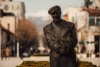
 Sadaka Iftar Vev
Photo by Veerle Vercauteren
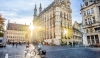
Sadaka Iftar Vev
Photo by Veerle Vercauteren
There will be three European capitals of culture in 2030. One will be designated by Cyprus, the other by Belgium, and the third will be chosen between Nikšić (Montenegro) and Lviv (Ukraine).
On the short list are three cities for Belgium: Leuven, Molenbeek, and Namur. Larnaka and Lemesos have been shortlisted for the title of European Capital of Culture 2030 in Cyprus.
EcocNews continues its journey to know more about the short-listed cities. After Leuven we stopped in Molenbeek.
Molenbeek-Saint-Jean is a Belgian municipality of about 80,000 inhabitants, located in the Brussels-Capital Region. It is a district located west of the centre of Brussels, characterised by a large concentration of immigrants. The toponym designates a village, equipped with a mill (in Dutch molen), which stood on a rivulet (beek), today called Molenbeek. The second part of the toponym derives from the name of the parish in the area, dedicated to St John the Baptist.
Why did your city decide to apply for the European Capital of Culture?
Molenbeek, supported by the 18 other municipalities from the Brussels Region, decided to apply for the European Capital of Culture 2030 to showcase its rich cultural diversity, generosity, solidarity, resilience, and creative energy.
Often seen as a microcosm of Europe's urban challenges and opportunities, Molenbeek embodies the potential of culture to drive social cohesion and innovation. This application is an opportunity to shift narratives, promote generosity, celebrate local artistic talent, and position Molenbeek as a leading cultural hub in Europe.
The 140 nationalities that co-exist in Molenbeek don’t share a common past — but they are united by the desire to build a common future in a European context. We believe the transformational power of becoming a European Capital of Culture can serve as a catalyst for this shared future.
This project is more than a title. In a context where Molenbeek where Molenbeek suffers from a bad reputation internationally due to the attacks carried out 10 years ago, it’s a game-changing opportunity to flip the script and share a new story with Europe — one that starts in Molenbeek but resonates far beyond.
What do you think are the keywords of your application?
Sadaka – The spirit of generosity, solidarity, empathy and mutual support deeply rooted in Molenbeek’s communities, shaping its cultural and social fabric.
Diversity – Brussels, and especially Molenbeek, is a melting pot of cultures, languages, and traditions.
Co-creation – The bid emphasizes collaboration between artists, young, residents, and cultural organizations.
Transformation – Culture is seen as a driving force for urban and social renewal.
Youth – Molenbeek has a young population with immense creative potential.
Inclusivity – Ensuring that all communities feel represented and empowered in cultural initiatives.
How are you involving citizens in this competition?
Citizen involvement is at the heart of our 2030 bid. From day one, we’ve built this project on grassroots participation and co-creation with more than 1000 young people. It’s not just about representing Molenbeek — it’s about being Molenbeek, with all its communities, voices, and imaginations. A flagship example of this approach is Molenfest: a community-driven festival that acts as a living preview of our bid. With 68 partners, local artists, and organizations coming together, Molenfest has become a vibrant showcase of what collective cultural creation looks like. It even received the Brussels Best Co-Creation Award, underlining our commitment to making this journey with — not just for — the people. Additionally, other workshops, public forums, and artistic collaborations ensure that the application reflects the voices and aspirations of Molenbeek’s people. While digital platforms and neighbourhood events are fostering ongoing dialogue and participation. Molenbeek must project itself in, and help inspire, a common European future, beyond the fragmentation. With the lived experience of many Europeans, our aim is to create a ‘New Us’. The young, superdiverse and the extremely creative populations and communities of the Molenbeek’s of Europe play a key role in that much needed transformation.
What are the next steps on your journey?
The coming months will be crucial. We’re currently working on the second version of our bid book, where we’ll refine our artistic vision and reinforce the foundations of our project. We’re also preparing MolenFest 2, our flagship event that brings the spirit of our bid to life: in the streets, with our people. It’s a celebration of culture, co-creation and community energy. The second edition of the festival will take place on the 3-7 September 2025. Next, we will prepare to welcome the European jury to Molenbeek for the official visit. We see that as a unique opportunity to show you, in person, what makes this place so vibrant and full of potential. Finally, we’ll be getting ready for the last jury presentation, where we’ll tell the story of our shared ambition: to turn Molenbeek into a European Capital of Culture that resonates far beyond 2030.
What are your thoughts on the European Capital of Culture competition?
This competition is an incredible opportunity to redefine our shared European cultural identity, with Molenbeek at its heart. For us, however, it's more about cooperation than competition. In fact, we co-organized a meeting in Chemnitz to strengthen cooperation among all the 2030 candidate cities. It was a great success! It’s a chance to celebrate diversity, address social challenges through culture, and inspire other European cities with an inclusive and community-driven approach.
Winning the title would not only bring international recognition but also leave a lasting cultural and social impact on Molenbeek and Brussels as a whole.
If we can work out those challenges in Molenbeek, we can make it work anywhere.

Ecocnews Editor in Chief, Journalist, book lover and Co-Founder of the Women’s Fiction Festival.
Online newspaper based in Matera
EcocNews is registered at the Court of Matera in the press register n. 2/2021
Editor in chief: Mariateresa Cascino. Founder and editorial director: Serafino Paternoster
via San Francesco, 1 - 75100 Matera (Italy)