

Online newspaper based in Matera
EcocNews is registered at the Court of Matera in the press register n. 2/2021
Editor in chief: Mariateresa Cascino. Founder and editorial director: Serafino Paternoster
via San Francesco, 1 - 75100 Matera (Italy)



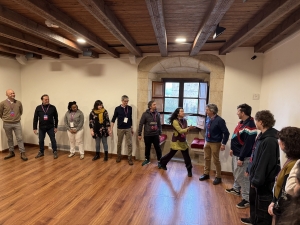
Cáceres 2031 Expands its Council of Elders with international experts in culture, sustainability and citizen participation. The bid strengthens this advisory body with professionals from different disciplines, retaining the members involved in the first bid book while welcoming new internationally renowned figures. The Council brings together experts in artistic creation, heritage, international cooperation, audience development and diversity to enrich the cultural vision of Transcultura
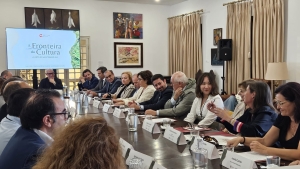
The Cáceres 2031 European Capital of Culture bid is organising the international conference 'The Culture of the European Future (ECoCs)' on November 9th and 10th. The event will bring together cultural professionals, representatives of European projects and experts in artistic creation and citizen participation to explore the role culture can play in shaping Europe's future.
The proposal brings together more than 30 projects articulated around three thematic axes and divided into 12 programs. The document places participation, European cooperation and legacy among its priorities. Approved the 2026-2032 financial framework, for which the project will have 65.7 million euros.
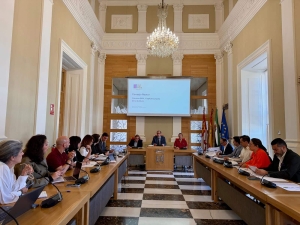
Cáceres City Council has officially joined the cross-border network La Frontera de la Cultura (The Cultural Border), an alliance bringing together institutions and organisations from Extremadura and Portugal. The foundations of this initiative were formally established on Monday at the University of Évora with the signing of the Évora Declaration.
Cáceres' bid to become European Capital of Culture 2031 is working with Encore, an artificial intelligence tool developed by Culture Next and Whitelabel through their SDG Lab, as part of a pioneering initiative to apply this technology to European cultural cooperation. Its use demonstrates how artificial intelligence can support the cultural sector by facilitating knowledge exchange between cities, project analysis and the development of stronger bids.
Online newspaper based in Matera
EcocNews is registered at the Court of Matera in the press register n. 2/2021
Editor in chief: Mariateresa Cascino. Founder and editorial director: Serafino Paternoster
via San Francesco, 1 - 75100 Matera (Italy)